Shibari, or the “art of ropes,” is an ancient Japanese practice that blends aesthetics, human connection, and artistic expression. Far beyond a mere act of bondage, shibari delves into the depths of emotions and relationships. It celebrates the beauty of forms and bodily tension, making it an erotic practice renowned for its visual appeal.
This art, now popular far beyond Japan’s borders, sparks curiosity and fascination. Let’s dive into this rich and nuanced world where tradition meets modernity.
What is Shibari?
Origins and History of Shibari
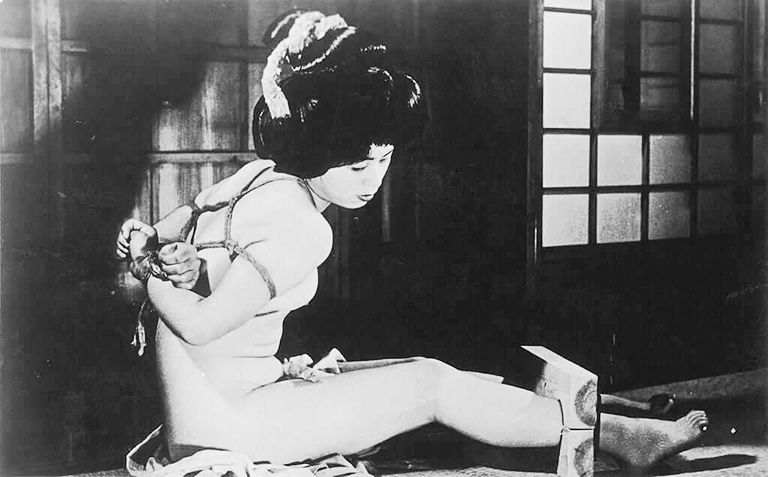
Shibari finds its roots in hojōjutsu, a Japanese martial art used during the Edo period (1603–1868) to bind and humiliate prisoners. The knotting techniques were designed not only to be functional but also to reflect the social status or crimes of the captives.
Over time, hojōjutsu evolved into shibari, an artistic and erotic practice. In modern Japan, it is celebrated for its ability to combine restraint, visual beauty, and intimate communication. Today, shibari is practiced and taught worldwide in diverse contexts, from public performances to private exchanges.
For a deeper understanding of the historical origins of shibari, we highly recommend the article “Shibari ou l’Art des Liens” on Domi Blog (in French).
The Differences Between Shibari and Western Bondage
While Western bondage and shibari share similarities, their approaches differ significantly. Western bondage typically focuses on the practical aspects of restraint, often using handcuffs, straps, or nylon ropes.
Shibari, on the other hand, emphasizes aesthetics and emotion. The intricate patterns, often referred to as katas, highlight the body’s curves and tensions. Additionally, the choice of ropes—usually jute or hemp—is symbolic. These materials offer a unique texture and natural scent, enhancing the sensory experience.
The Art of Shibari in Practice
Aesthetic and Symbolic Principles of Shibari
Shibari is far more than a simple play with ropes. It follows an artistic approach where every knot and tension tells a story. The patterns created with BDSM ropes enhance the natural lines of the body. One tying technique, karada, known for its diamond-shaped harness, symbolizes both vulnerability and strength.
Symbolism plays a central role: knots evoke profound concepts such as control, surrender, and trust. For some, shibari becomes a form of meditation—a way to focus on the present moment and establish a genuine connection with their partner.
Ropes and Materials in a Shibari Session
The choice of ropes is essential in shibari. In traditional Japanese practice, jute or hemp ropes are favored for their rough texture. These ropes are durable and become supple after proper conditioning.
Typically 8 to 10 meters long, these ropes allow for the creation of intricate patterns while remaining gentle on the skin when properly prepared. The Ogawa rope is considered ideal for practicing shibari.
Modern practitioners sometimes use cotton ropes or synthetic materials for their hypoallergenic properties. However, these alternatives lack the rustic charm of traditional ropes. Ultimately, the choice depends on personal preferences and the comfort of both partners.
Safety and Consent in Shibari
Safety is a top priority in shibari. Before any session, partners should discuss their expectations, limits, and signals to indicate discomfort.
One of the primary risks is nerve compression, which can cause numbness or injury. To avoid this, mastering the basics is crucial. Always monitor blood circulation and keep a pair of emergency scissors within reach.
Informed consent is another fundamental pillar. Without open communication and mutual respect, the essence of shibari—rooted in trust and connection—is compromised.
Shibari’s Connection to BDSM
How Shibari Fits into the BDSM World
Shibari is often considered a subdiscipline of BDSM, fitting within dynamics of dominance and submission. However, it stands out for its aesthetic and emotional approach.
While BDSM incorporates a wide range of tools and dynamics, shibari focuses on ropes as a medium of expression. The practice allows for exploring themes such as restraint and liberation while creating a safe space for experiencing intense emotions.
The Role of Trust and Communication
As with any BDSM practice, trust and communication are the foundations of shibari. The rigger (the person tying) and the model (the person being tied) must build a solid relationship to navigate the power dynamics safely.
Non-verbal communication is equally essential. Body movements, breathing, or facial expressions can indicate a partner’s comfort or discomfort, enriching the interaction.
The Benefits and Challenges of Shibari
Exploring Intimacy and Emotional Connection
Shibari is often described as a deeply intimate experience. Through the ropes, partners explore a connection that goes beyond words. The knots and tensions create a unique dance where every movement reinforces trust and surrender.
For some, the practice becomes a form of art therapy, allowing them to let go and reconnect with their body and emotions. This emotional dimension makes shibari both an introspective and relational practice.
Physical and Mental Limits to Respect
While enriching, shibari comes with challenges. Physically, certain positions may be uncomfortable or tiring over long periods. It is crucial to respect the model’s physical limits and adapt techniques accordingly.
Mentally, shibari can evoke intense emotions, ranging from serenity to vulnerability. Proper preparation and debriefing after each session are essential to ensure the experience remains positive and constructive.
Learning Shibari: Where to Start?
Getting Started with Shibari for Beginners
For beginners, starting with the basics is crucial. Online resources, such as instructional videos or specialized books, can help safely learn the first knots.
However, nothing replaces hands-on training with an expert. Workshops led by professionals provide a safe and supervised environment to learn.
Finding Workshops and Qualified Instructors
Local shibari communities, often found in larger cities, regularly offer workshops for all levels. Specialized studios, such as Kinbaku Lounges, host training sessions led by masters of the art.
For those who prefer a more discreet approach, some instructors also offer private sessions. Always verify references and ensure the instructor adheres to ethical and safety standards.
Shibari: More Than a Practice, an Art
Shibari lies at the intersection of art, emotion, and intimacy. It offers a unique experience that transcends mere bondage. Whether explored as a form of personal expression or a way to deepen relationships, it showcases the beauty of bonds—both physical and symbolic.
By practicing with respect, safety, and an open mind, anyone can discover the profound essence of this timeless Japanese art.